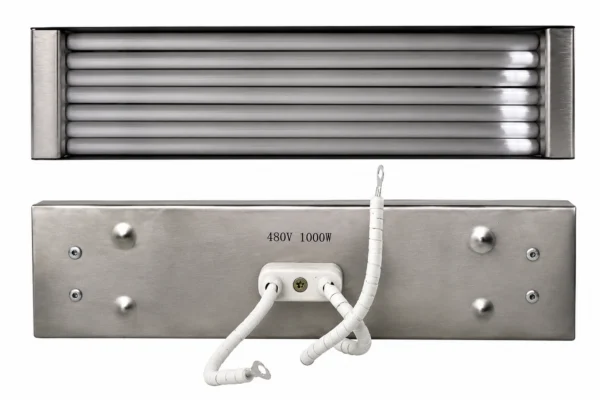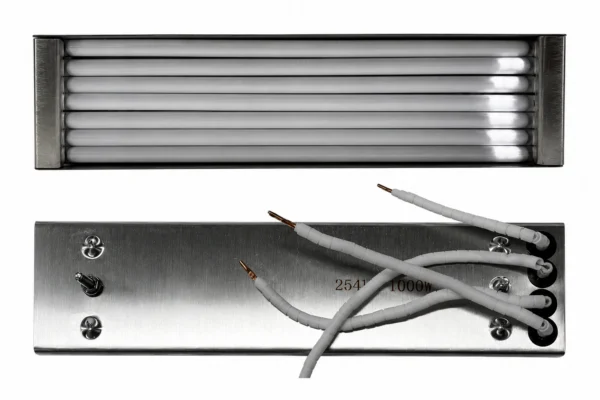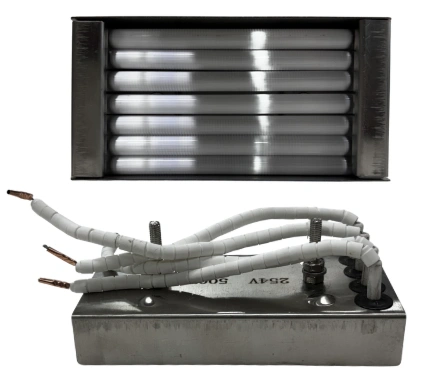
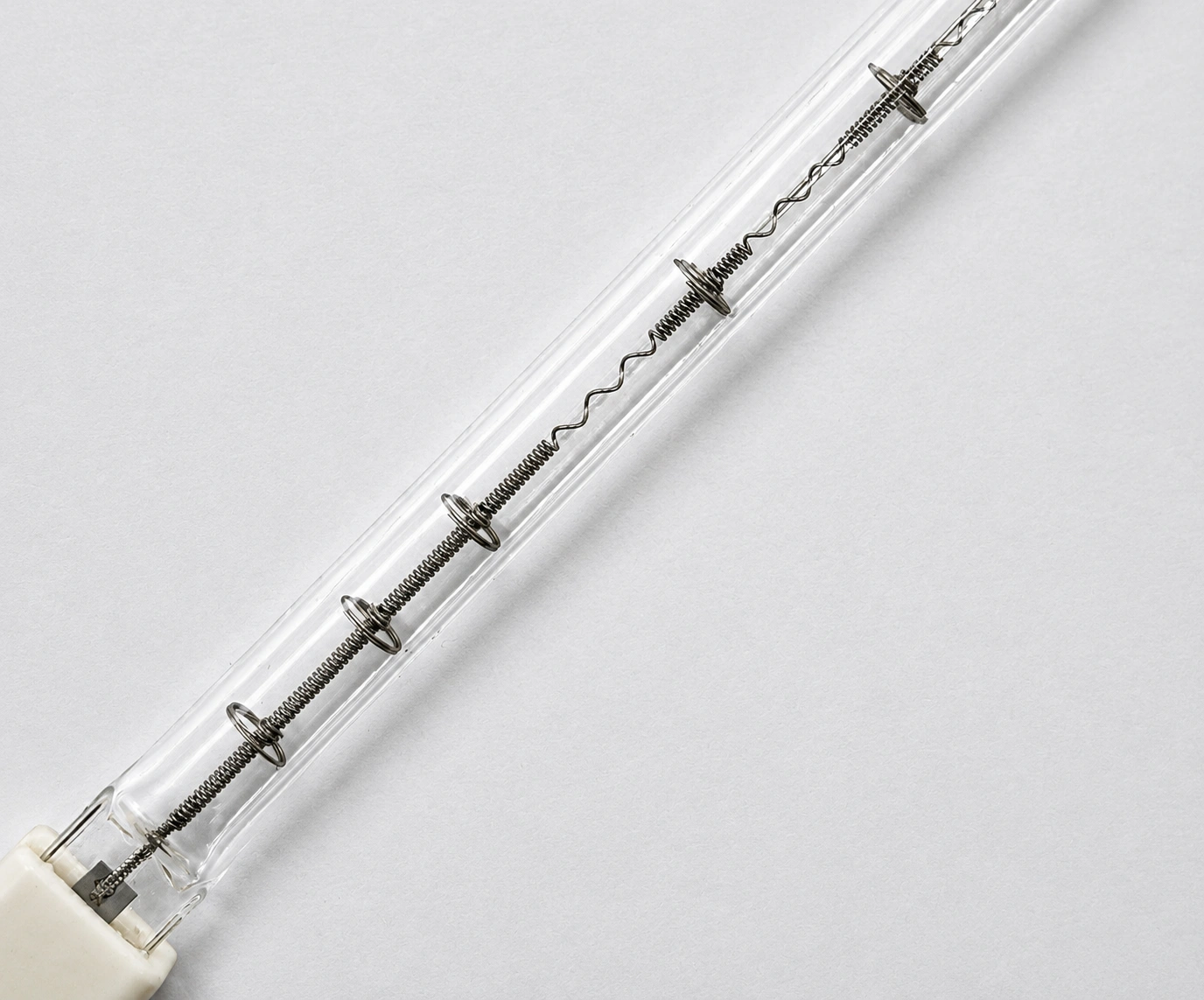
Single Tube Infrared Quartz Emitter

Precision-engineered infrared quartz tube emitters for industrial heating, curing, drying, and thermal processing. Manufactured from 99.9% pure silica quartz with four emitter categories: short wave, tungsten fast-response medium wave, carbon fast-response medium wave, and medium wave NiCr, each matched to specific material absorption characteristics.

Infrared Quartz Tube Emitters Engineered for Your Process

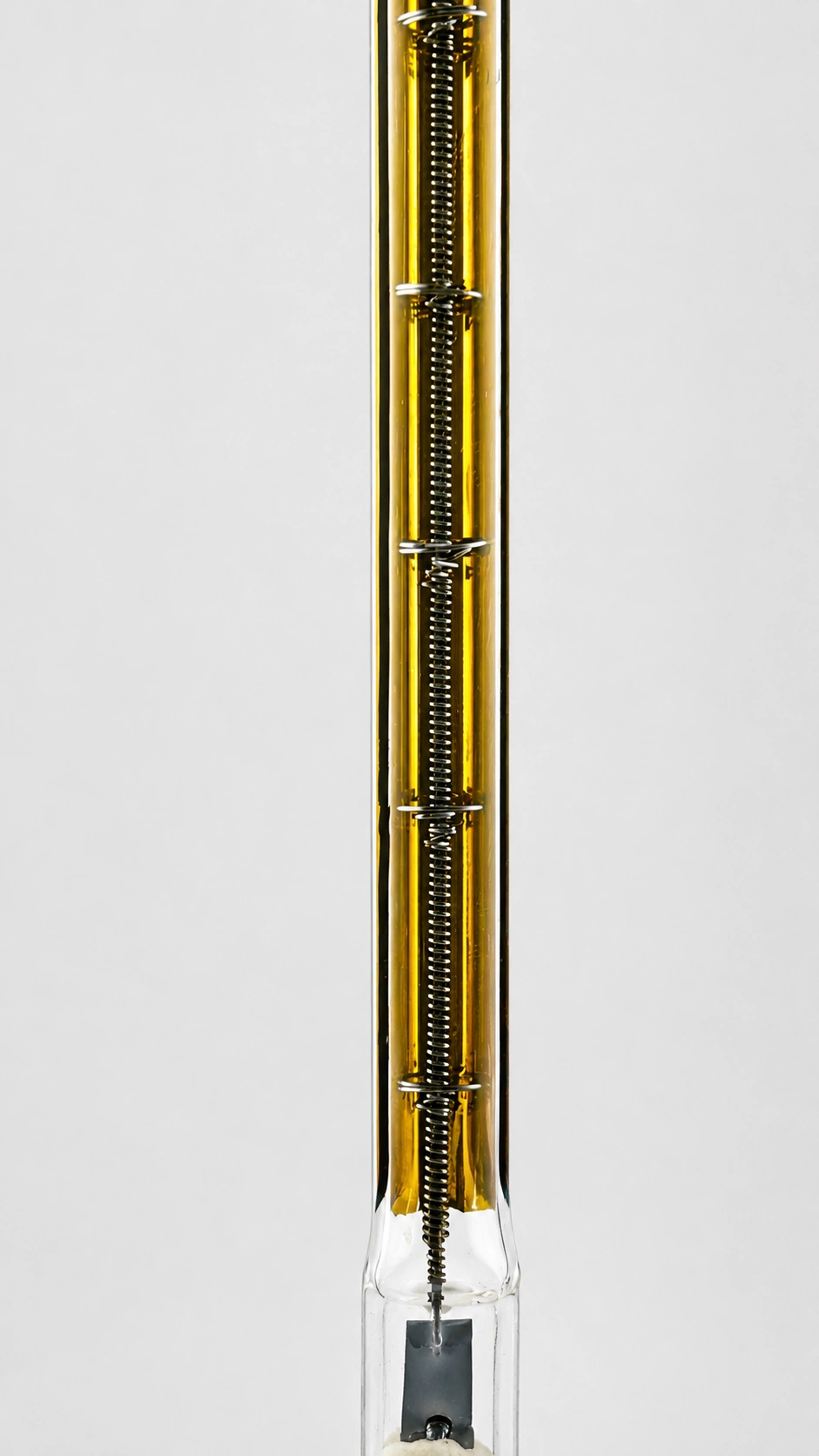
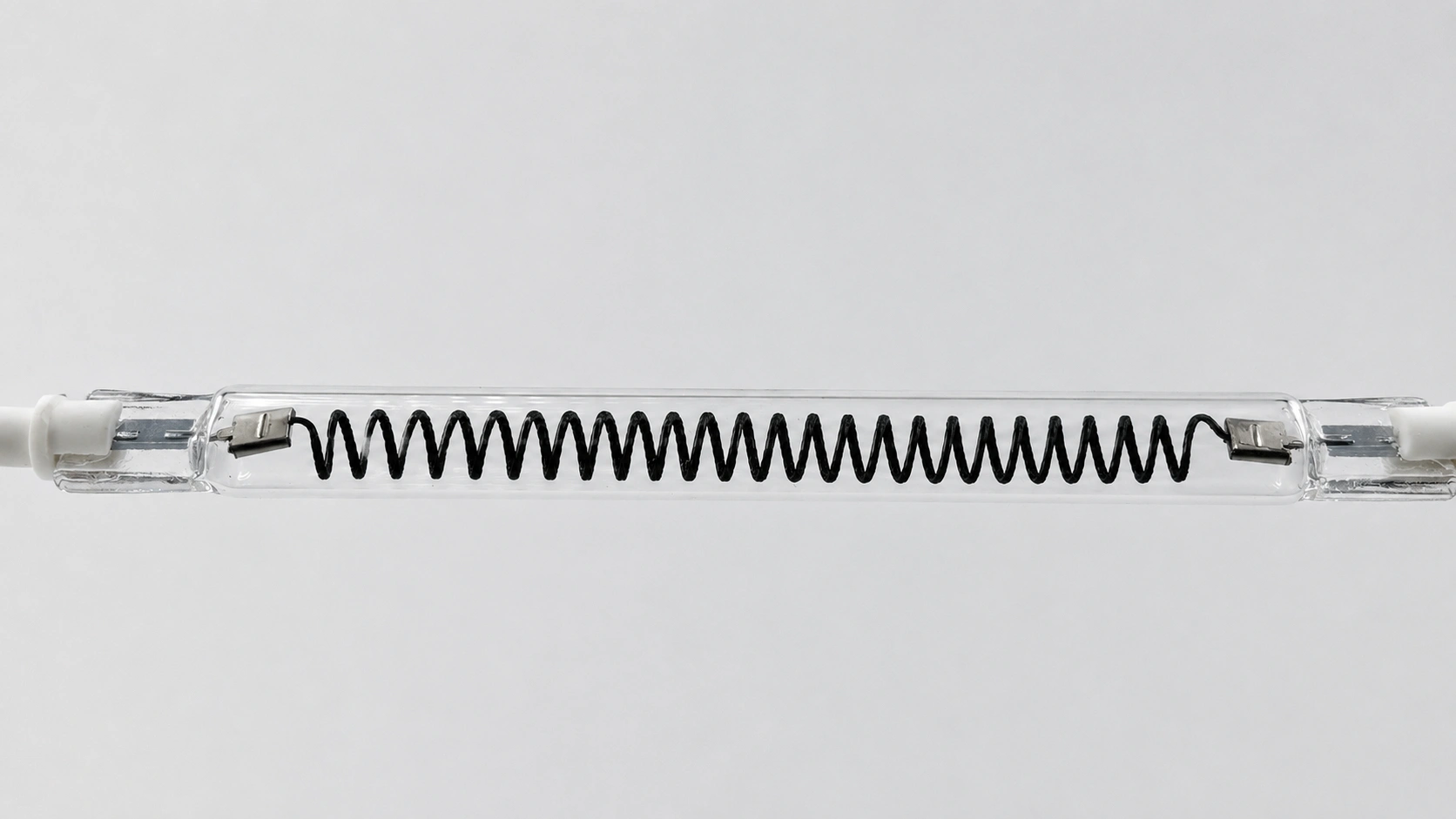
The single-tube infrared quartz emitter is the core heating element behind industrial infrared systems. Manufactured from 99.9% pure silica quartz glass and built with a precision-wound resistive filament, each emitter converts electrical energy into targeted infrared radiant heat. As a result, energy is transferred directly to the material surface rather than heating the surrounding air.

That difference matters on the production floor. Traditional convective ovens waste energy heating air that never contacts the product. In contrast, infrared quartz emitters deliver radiant energy directly to the target material. Consequently, manufacturers achieve faster heat-up, quicker response times, tighter process control, and improved production efficiency.

Additionally, infrared heating reduces power consumption while supporting faster line speeds and more precise thermal control throughout the process.

Built for Flexible System Integration

Single-tube quartz emitters also provide flexibility in system design. We manufacture emitters in straight or custom-formed designs to follow complex shapes, contours, and mounting layouts. In many applications, single-tube emitters are more compact than twin-tube emitters while still delivering high-performance heating.

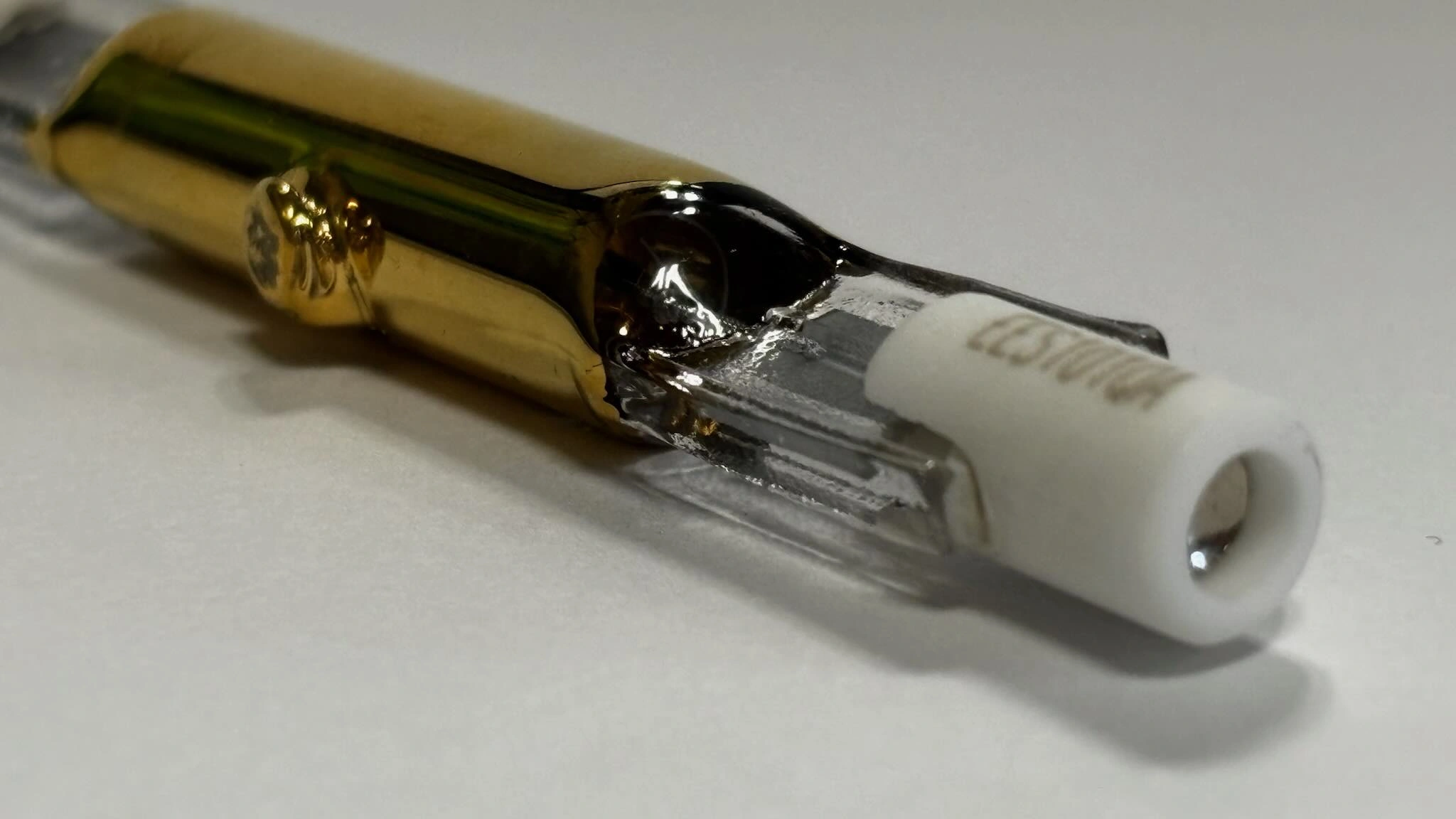
Additionally, gold reflector coatings improve directional efficiency by focusing more radiant energy toward the target surface.

Four Emitter Categories — Matched to Your Material and Process

Infrared energy spans a broad electromagnetic spectrum, and different materials absorb energy most efficiently at specific wavelengths. Selecting the correct emitter type is the single most important factor in system performance. The wrong wavelength means wasted energy and inconsistent results.
Technical diagram showing blackbody radiation curves for multiple temperatures on the left and the electromagnetic spectrum on the right. The left graph plots relative radiation intensity versus wavelength with color gradients representing visible and infrared light regions. Several curved lines show how peak radiation shifts toward shorter wavelengths as temperature increases. The right graphic illustrates the electromagnetic spectrum from cosmic radiation through visible light to infrared and radio waves, highlighting the infrared range between approximately 750 nanometers and 1 millimeter.
Comparison of blackbody radiation curves at different temperatures alongside the infrared region within the electromagnetic spectrum, illustrating how wavelength and emitted radiation intensity change with temperature.

Quick Reference: Emitter Comparison

Specification

Short Wave Fast MW (Tungsten) Fast MW (Carbon) Medium Wave (NiCr)
Filament Tungsten Tungsten Carbon Wound Nickel-Chromium
Filament Temp 1,800–2,400°C 1,400–1,800°C ~1,200°C 800–950°C
Peak Wavelength 1.0–1.4 µm 1.4–1.6 µm ~2.0 µm 2.0–4.0 µm
Response Time ~1 sec 1–2 sec 1.5–3 sec 1 min+
Max W/lin. in. 100 60 100 25
Guaranteed Life 5,000 hrs 5,000 hrs 4,000 hrs 10,000 hrs


Single Tube Emitter Design Standards

Each single-tube infrared quartz emitter is manufactured from 99.9% pure silica quartz glass, selected for its excellent infrared transmission properties, thermal shock resistance, and durability under continuous industrial operation.

Power Density (Watts per Linear Inch)

Emitter Type Max Watts / Linear Inch
Short Wave 100 W/lin. in.
Fast-Response Medium Wave (Tungsten) 60 W/lin. in.
Carbon-Based Medium Wave 100 W/lin. in.
Medium Wave (NiCr) 25 W/lin. in.


Quartz Tube Diameters

Single tube emitters are available in standard outside diameters of 8 mm, 10 mm, 12 mm, 15 mm, and 19 mm, with selection based on your application geometry, power requirements, and system mounting constraints.

Heated Length

Measured in whole inches. Custom heated lengths are manufactured to match your process zone requirements.

Operating Voltage

Available in 120VAC, 240VAC, and 480VAC configurations.

Electrical Connections

Available with straight wire leads, quick-disconnects, and 90-degree leads to match your system wiring and installation requirements.

Reflector Coatings

  • Gold Reflector — A layer of liquid gold applied to the quartz tube surface. Gold reflects greater than 90% of infrared radiation and has a working temperature of approximately 1,200°F when properly cooled. Gold reflectors deliver the highest efficiency for directing radiant energy toward the target material.
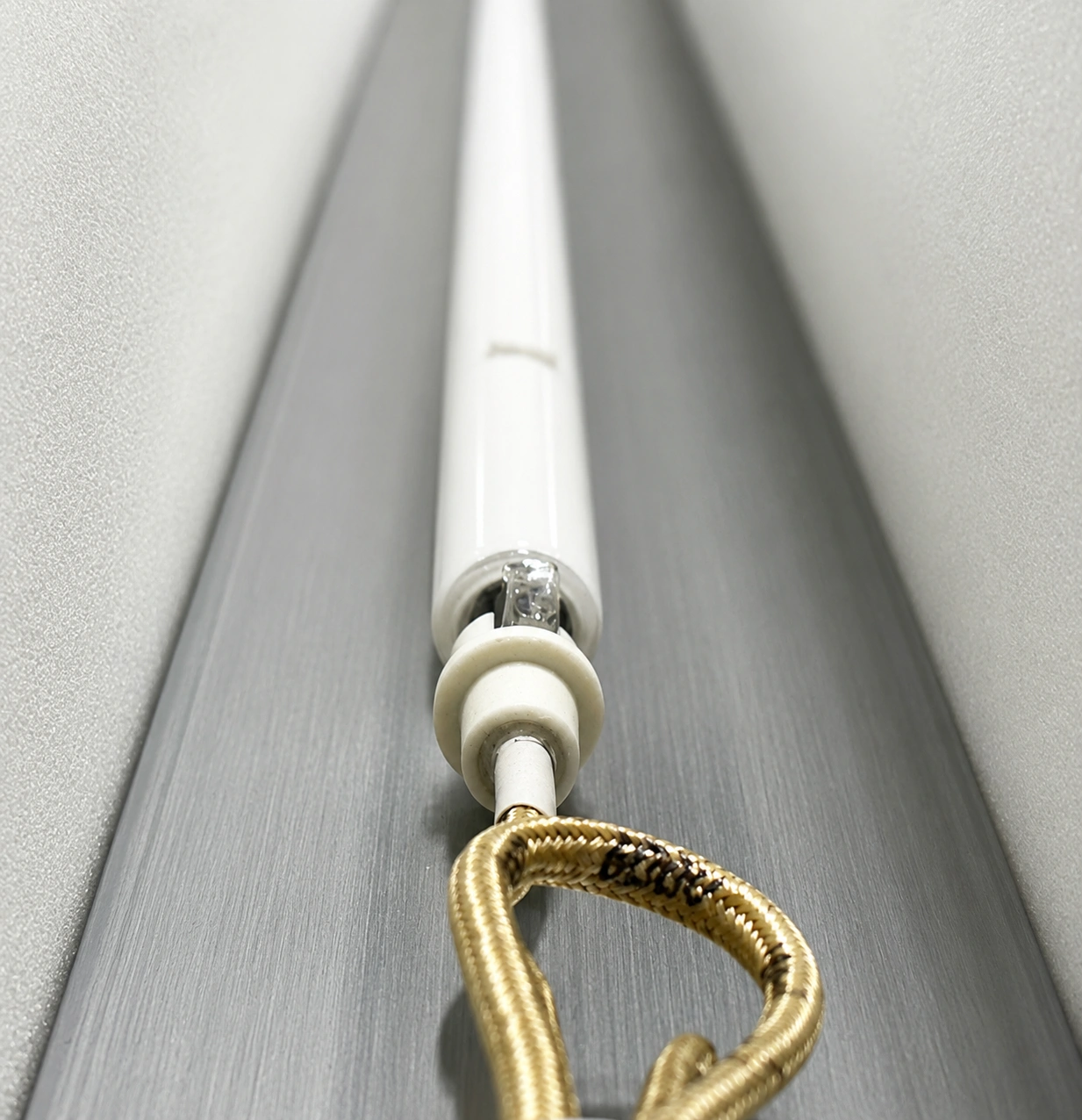
  • White Ceramic Reflector — A layer of white ceramic is applied to the quartz tube surface. Ceramic reflects approximately 60–70% of infrared radiation. Although not as efficient as gold, ceramic reflectors are more durable and can withstand working temperatures of approximately 1,800°F — making them well-suited for high-temperature or harsh-environment applications.
  • Ruby Red Coating — A ruby red coating is applied 360° around the quartz tube. Ruby red functions not as a reflector but as a radiation de-intensifier, reducing and distributing radiant output for applications that require more uniform, lower-intensity heat distribution across the target surface.
  • With a reflector applied to 180° of the quartz tube, radiant energy is more efficiently directed toward the material being heated. As a general reference, at 25 mm from the material surface, the energy spread of the emitter extends approximately 12 mm from each side, with peak intensity directly below the tube that blooms outward from the center.


Industrial Applications

Single tube infrared quartz emitters serve as the heating element in a wide range of industrial thermal processes. The right emitter configuration for wavelength, power density, and physical dimensions is determined by the material, the process, and the outcome you need to achieve.

  • Automotive — paint curing, adhesive activation, component preheating, plastic welding
  • Glass — tempering, bending, annealing, and surface treatment
  • Photovoltaic — solar cell processing and lamination
  • Printing — ink drying, coating curing, and high-speed web processing
  • Plastics — thermoforming, shrink packaging, plastic welding, and heat staking
  • Textiles — drying, curing, and heat setting
  • Food — surface browning, drying, pasteurization, and packaging
  • Wood — finish curing, drying, and surface treatment
  • Semiconductor — wafer processing and thermal treatment

Each of these processes has unique thermal requirements. If you are unsure which emitter type or configuration fits your application, our engineers can evaluate your process variables and recommend the right solution.

Engineered-to-Order. Inspected Before It Ships.

Emitted Energy manufactures infrared quartz emitters in-house and controls every stage of production, from filament winding to final inspection. Every emitter passes a 10-point quality inspection before leaving our facility to ensure consistent performance in demanding industrial environments.

An infrared emitter is not a commodity. Line speed, material composition, process temperature, and system geometry all directly impact heating performance. Our engineers understand manufacturing processes firsthand and evaluate your application before recommending an emitter configuration.

We build custom emitters every day, including specialized lengths, wattages, wavelengths, tube diameters, lead configurations, and reflector coatings. Whether you need a direct replacement for an existing system or a fully engineered solution for a new thermal process, we manufacture emitters to match your exact specifications.

Infrared heating delivers precise radiant energy with rapid response and complete process control. Whether you are launching a new application, improving efficiency, or converting from conventional heating, we work directly with your team to identify the best emitter technology for your process.